Slide 1 — The Evolution of Graphic Design
Subtitle: A Historical Journey
Info:
-
Student Assignment
-
Visual Communication Through the Ages
Slide 2 — Prehistoric Beginnings
Key Point: Earliest Form of Visual Communication
Description: Early humans used cave paintings and symbols to communicate stories, beliefs, and daily life.
Bullet Points:
-
Visual storytelling through cave paintings
-
Dating back over 40,000 years
-
Found across multiple continents
-
Foundation for all graphic communication
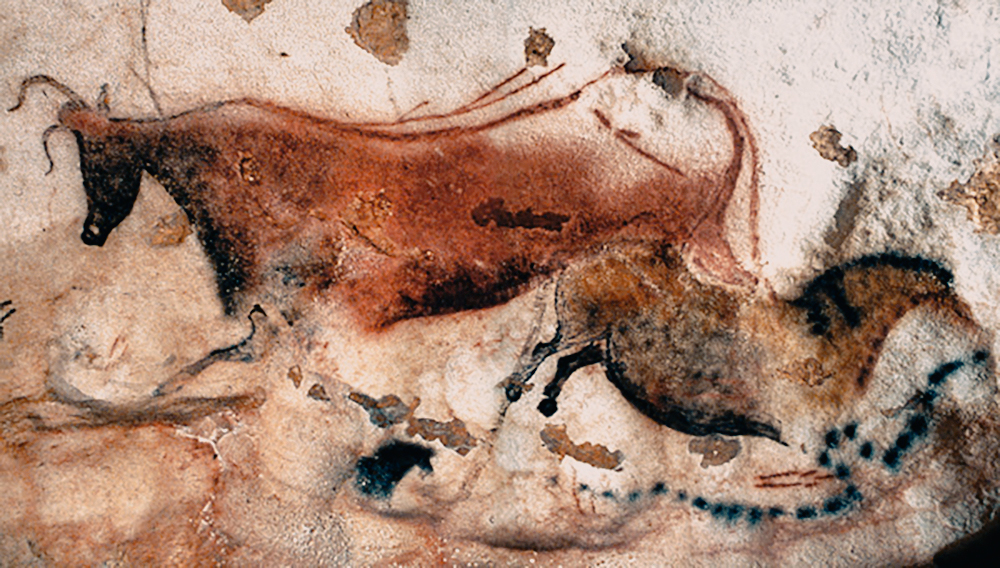
Image Caption: Lascaux cave paintings, France (c. 15,000 BCE)
Slide 3 — Early Printing Innovations in China
Key Point: Pioneers of Mass Reproduction
Description: Chinese inventors developed woodblock printing and movable type centuries before Europe.
Bullet Points:
-
Woodblock printing: 220 CE (Han Dynasty)
-
Movable type: 1040 CE (Song Dynasty)
-
Mass reproduction on silk and paper
-
Spread knowledge across Asia

Image Caption: Ancient Chinese woodblock printing technique
Slide 4 — Medieval Calligraphy & European Heraldry
Key Point: Preserving Knowledge & Identity
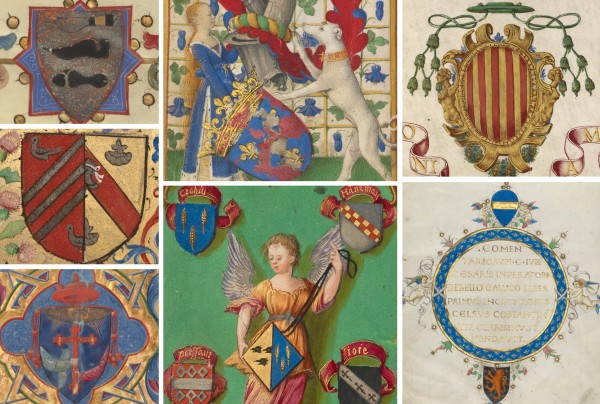
Description: Calligraphy and illuminated manuscripts preserved knowledge; heraldry became early identity design.
-
Illuminated manuscripts with intricate lettering
-
Monastic scribes preserved classical texts
-
Heraldic symbols for noble families
-
Early forms of logo and brand identity
Image Caption: Medieval illuminated manuscripts and heraldic symbols
Slide 5 — Renaissance and the Birth of Modern Graphic Design
Key Point: Communication Revolution
Description: Gutenberg’s printing press enabled mass production of books and visuals.
Bullet Points:
-
Movable type printing press (c. 1440)
-
Mass production of books and materials
-
Spread of knowledge across Europe
-
Foundation for modern communication design
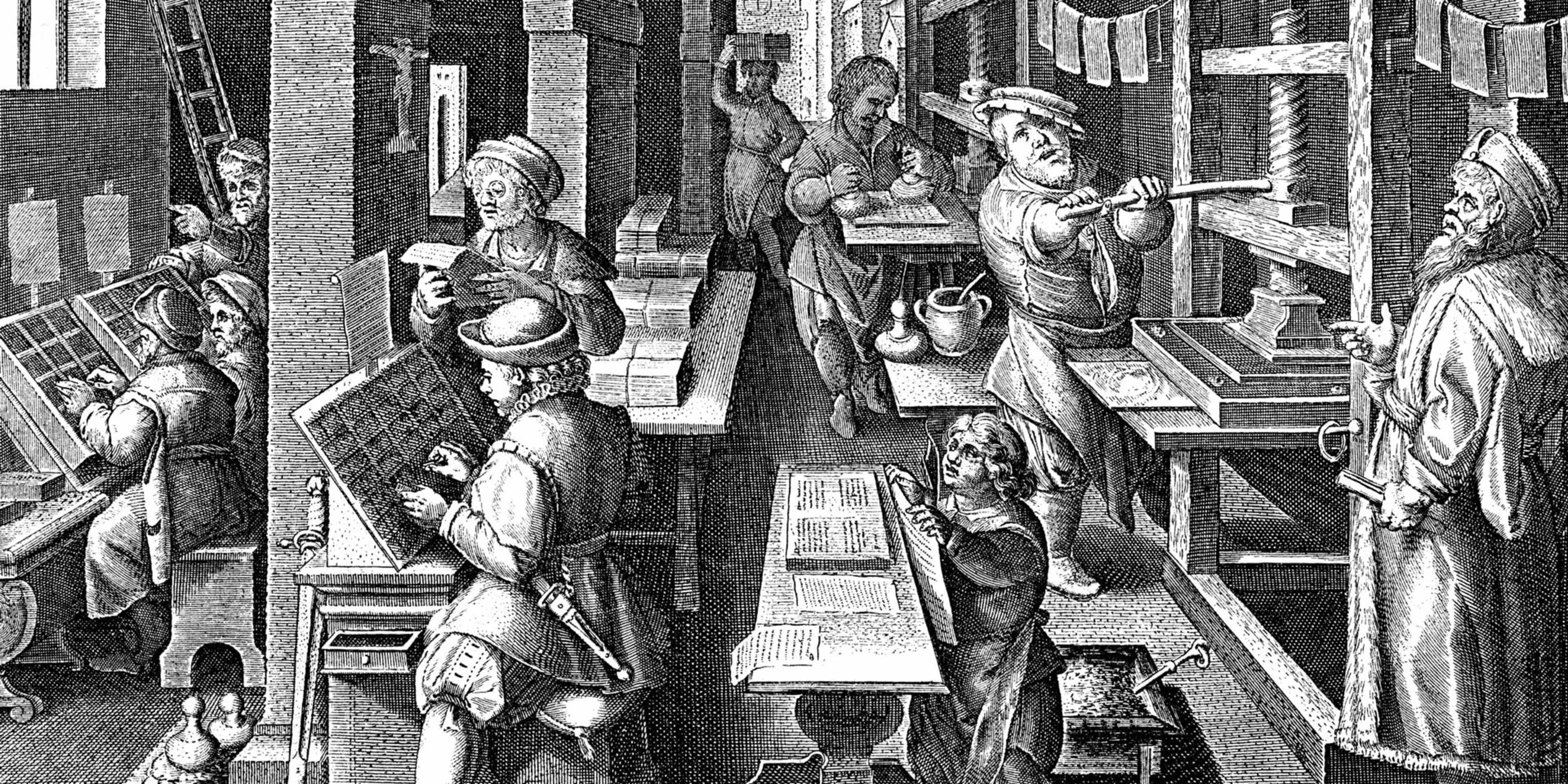
Image Caption: Historical reconstruction of Gutenberg’s workshop
Slide 6 — Industrial Revolution & Professional Emergence
Key Point: Design as a Profession
Description: Lithography and color printing expanded design into advertising and packaging.
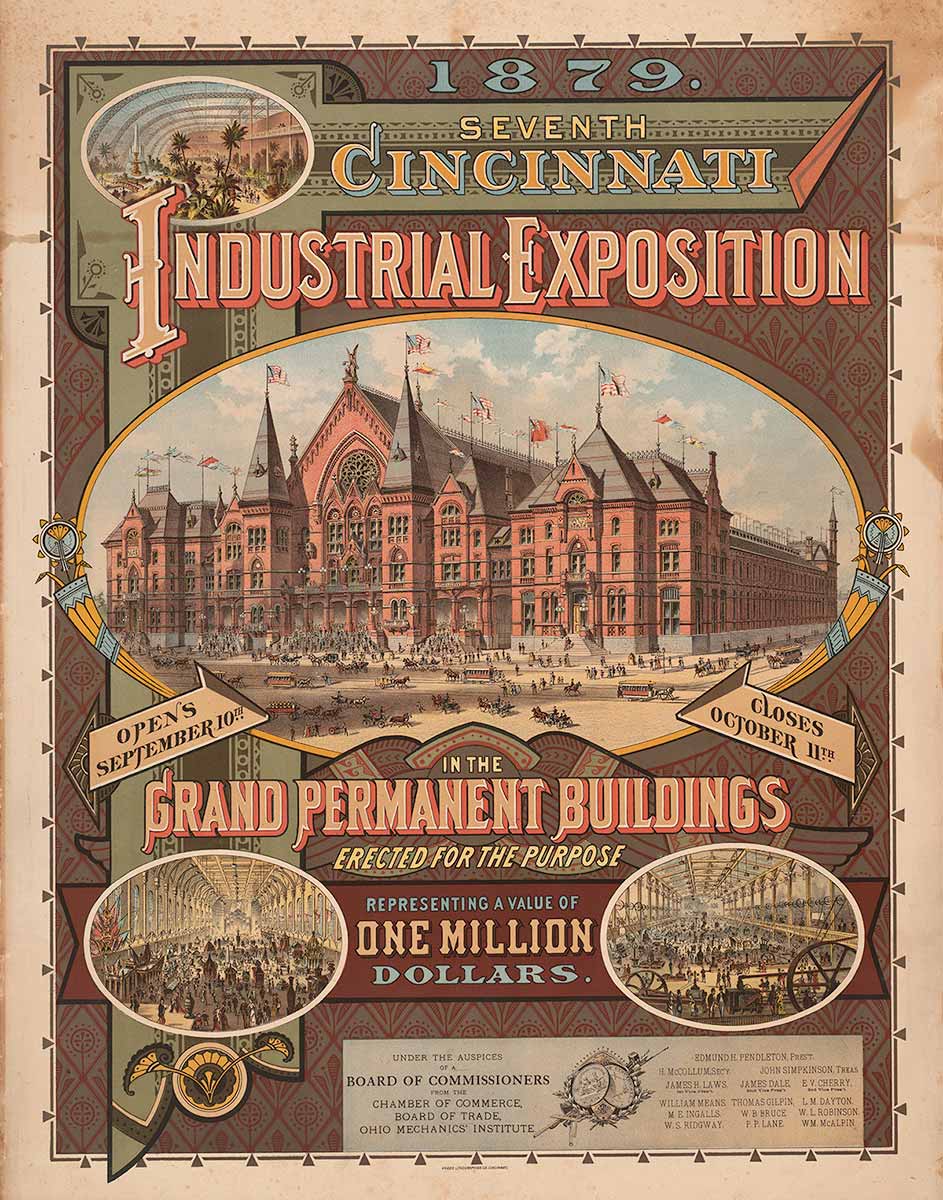
-
Lithography (1796) enabled mass image production
-
Chromolithography brought vibrant color
-
Design expanded into advertising & packaging
-
Graphic design separated from fine arts
Image Caption: 1879 Cincinnati Industrial Exposition poster
Slide 7 — 20th Century Developments
Key Point: Modern Design Movements
Description: Bauhaus, Art Deco, and other movements shaped modern design principles.
-
Bauhaus: “Form follows function” (1919–1933)
-
Art Deco: Geometric patterns & luxury (1920s–1940s)
-
Modern layout principles established
-
Term “graphic design” coined by W.A. Dwiggins (1922)
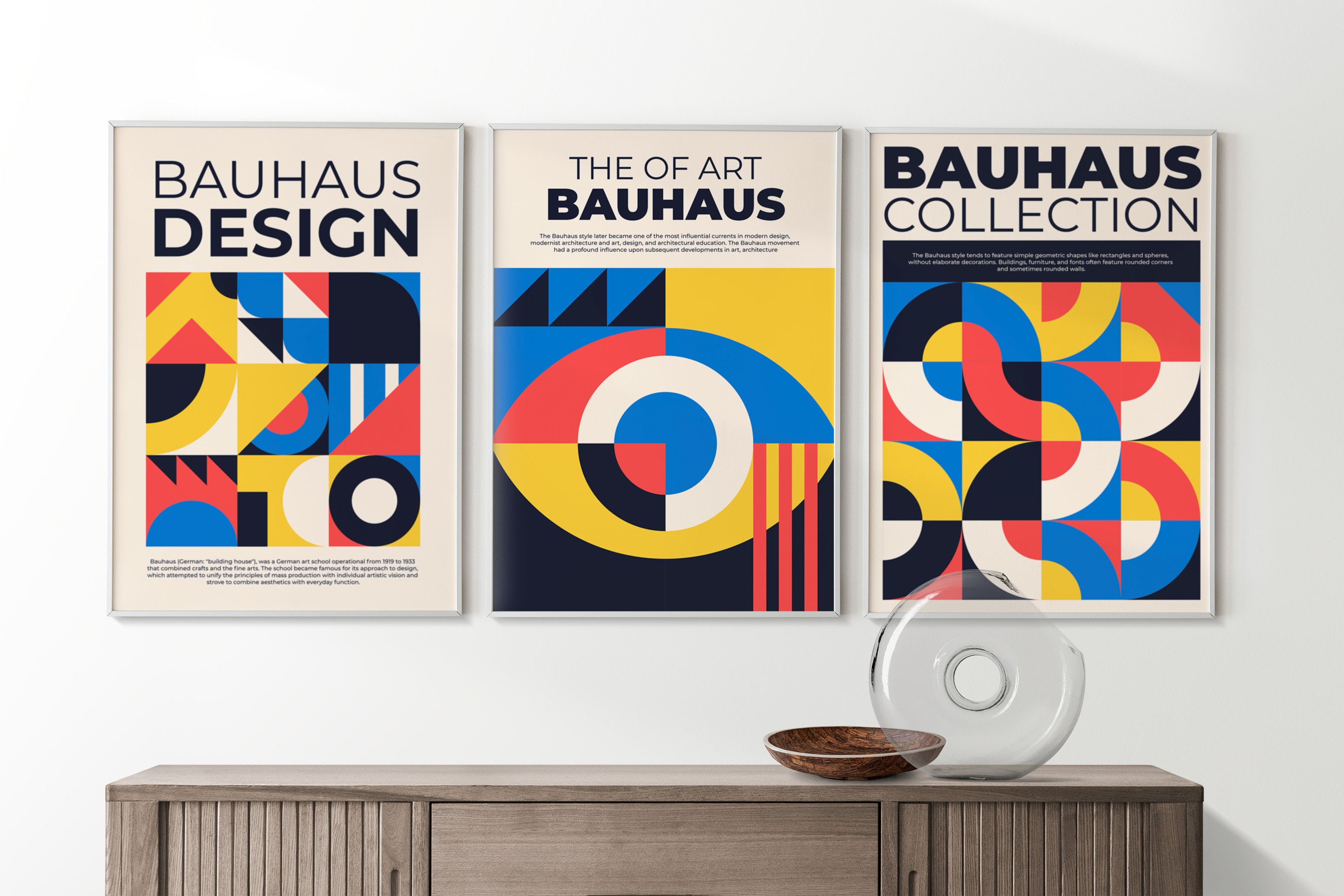
Image Caption: Bauhaus design posters with geometric forms & bold colors
Comments
Post a Comment